Marc Anthony
The best-selling voice of modern salsa. From New York freestyle to Otra Nota and Vivir Mi Vida: how Marc Anthony became the most successful salsa singer of the modern era.
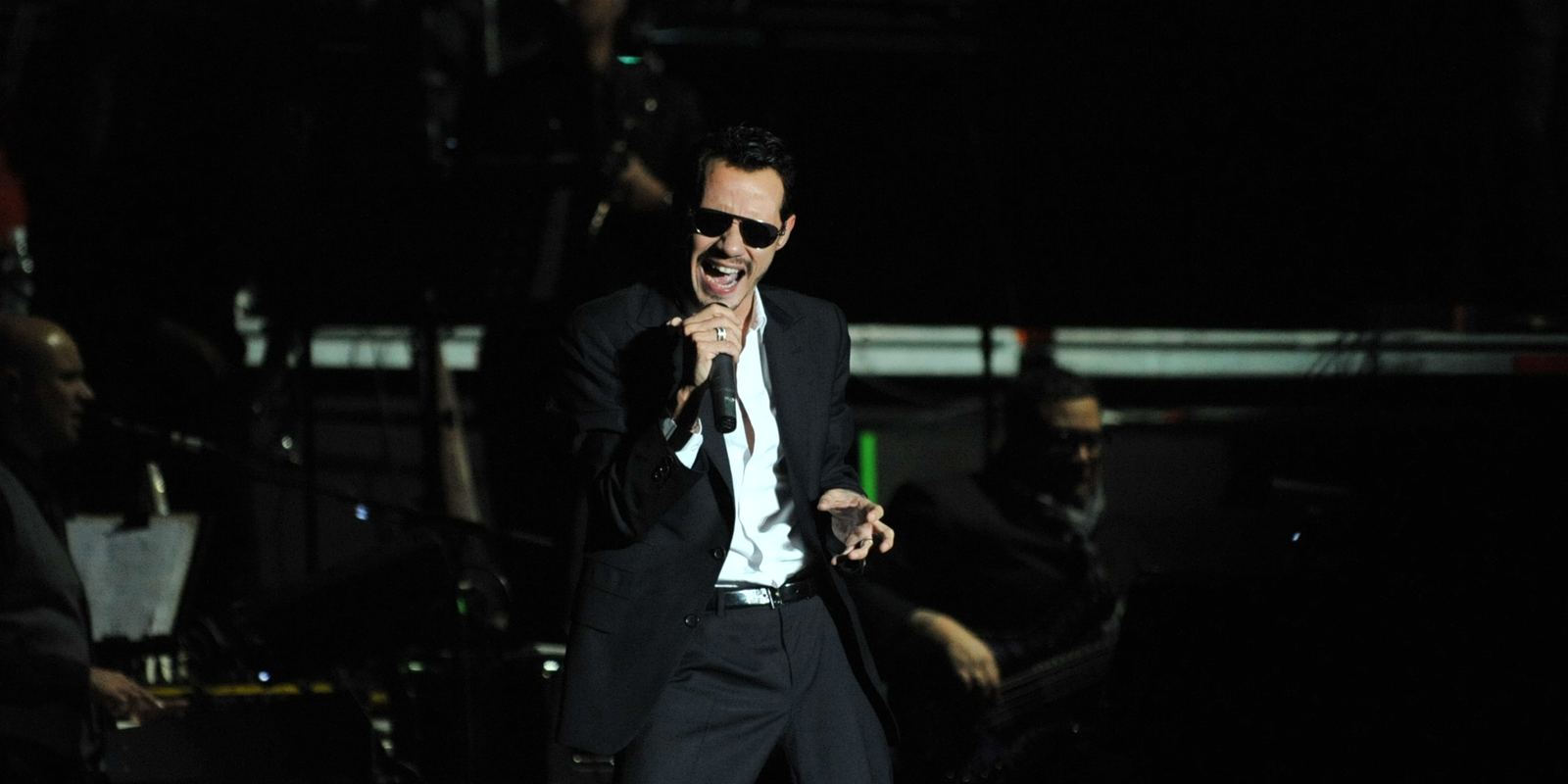
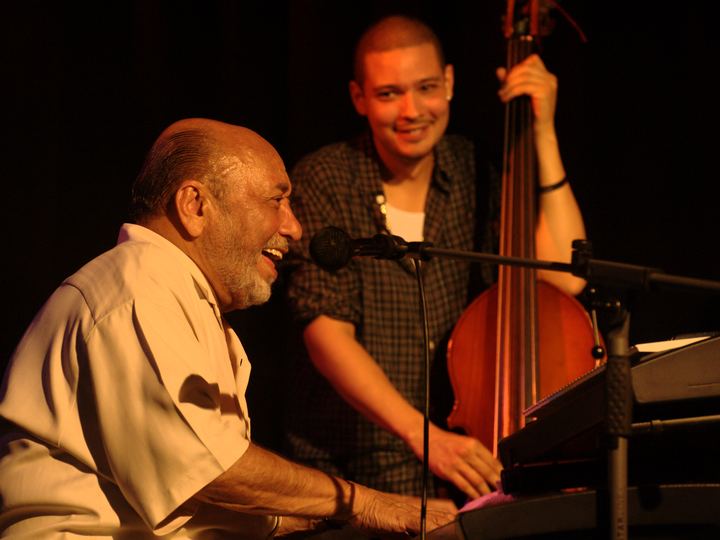
Marc Anthony in concert: Viva Iquique weblog / www.vivaiquique.com, CC BY 2.0
A New York start
Marc Anthony grew up in East Harlem in a Puerto Rican family and started out as a session singer and songwriter for dance and freestyle pop artists in the late 1980s. He was named after a famous Mexican singer, Marco Antonio Muniz, but took a stage name early.
Turning to salsa
Producer Sergio George convinced him to try salsa, and his first salsa album, Otra Nota (1993), was a hit. He sang with a powerful, emotional voice and modern arrangements that mixed salsa with pop and R and B feeling. Hasta Ayer and Te Conozco Bien followed, and he became the leading salsa star of the 1990s.
Crossover and return
He recorded English pop albums, including the hit You Sang to Me, but kept returning to salsa. Valio la Pena (2004) and Vivir Mi Vida (2013), a salsa version of a pop song, became huge hits across Latin America and are still played at every salsa party.
Playing Lavoe
In 2006 he starred as Hector Lavoe in the film El Cantante and recorded the classic songs for its soundtrack. The project introduced Lavoe's music to younger fans. Read our Hector Lavoe page for the real story.
Concert king of salsa
Marc Anthony fills arenas around the world, and his concerts mix salsa classics with ballads. He has won multiple Grammy and Latin Grammy awards and is often called the best-selling tropical artist of his generation.
Dancing to Marc Anthony
His songs are often fast and full of breaks, which makes them exciting for experienced dancers. Beginners can start with mid-tempo songs and focus on the basic step and right turn.
Songs to start with
Start with Hasta Ayer and Te Conozco Bien from his 1990s albums, then Valio la Pena and Vivir Mi Vida. For something different, his live performances of classic songs from the El Cantante soundtrack show his respect for the Fania generation. Many DJs end a night with one of his big hits, because everyone knows the words.
Producer Sergio George's arrangements for Marc Anthony and other singers in the 1990s defined a polished New York sound, mixing classic salsa horns with pop production. That sound brought a new generation of fans and dancers into salsa.
Marc Anthony's success also showed record labels that salsa could fill arenas and top international charts, opening doors for other tropical artists.
- Marc Anthony in concert: Viva Iquique weblog / www.vivaiquique.com, CC BY 2.0
Text written by Salsa Tranquila.