Salsa FAQ
Quick answers to what beginners and fans ask most about salsa music and dance.
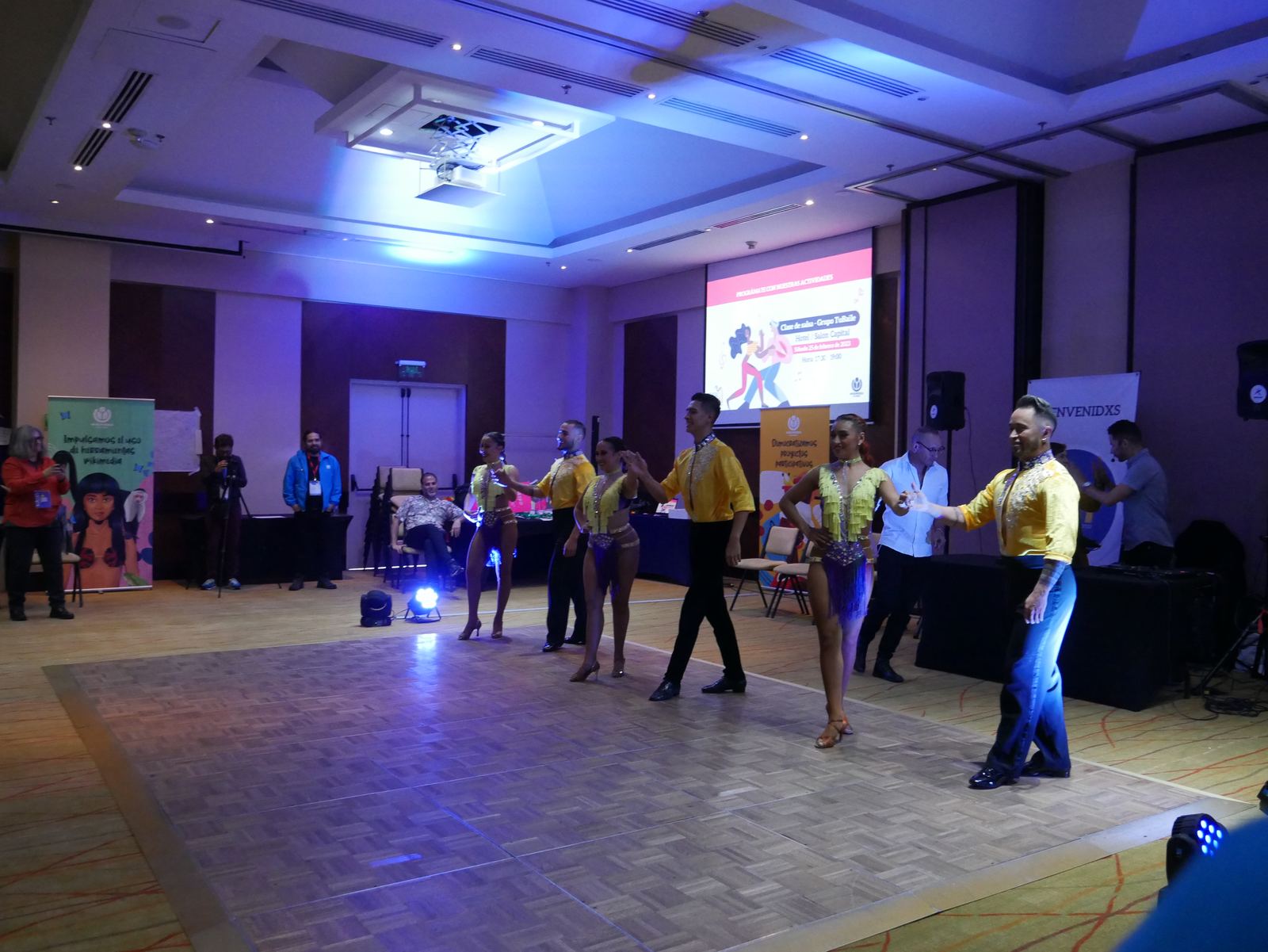
A salsa class in progress: Luis Alvaz, CC BY-SA 4.0
FAQ
Where does salsa come from?
Its roots are Cuban son, mambo and other Afro-Cuban styles, and the name salsa became popular in New York in the late 1960s and 1970s, especially through Fania Records and Puerto Rican and Cuban musicians.
What is the difference between On1 and On2?
It is the count on which dancers break forward or back. On1 breaks on the first beat; On2, linked to New York style, breaks on the second beat.
Do I need a partner to learn?
No. Most group classes rotate partners, and you can practise the basic step, turns and shines alone.
How long does it take to learn salsa?
Many beginners can dance a basic and simple turns at a social after a couple of months of weekly classes. Becoming comfortable takes longer, and practice at socials speeds it up.
What shoes should I wear?
Shoes with smooth suede or leather soles that let you turn easily. Avoid rubber soles that grip the floor.
Is bachata the same as salsa?
No. Bachata comes from the Dominican Republic and has a four-count side basic with a tap. Many salsa parties play both.
What is the clave?
A two-bar rhythm that guides the whole band. Learning to clap it helps you hear the music.
Which style should I learn first?
The one taught near you. Cuban casino, LA On1 and New York On2 are all great starting points.
What is a salsa congress?
A weekend festival with workshops, shows and social dancing late into the night.
How do I ask someone to dance?
Offer a hand, smile and ask politely. Accept a no gracefully, and always thank your partner after the song.
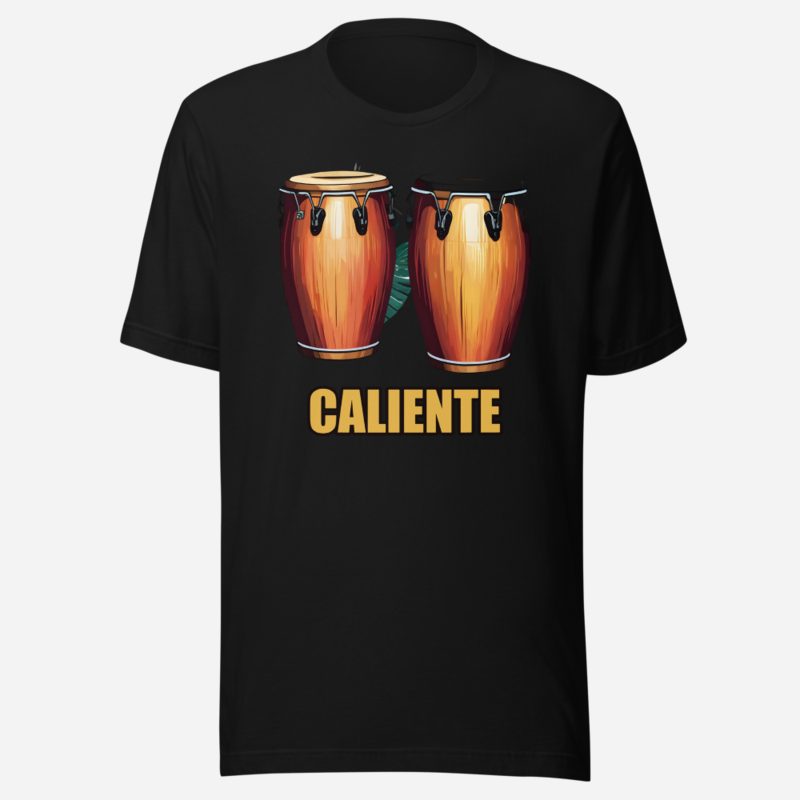
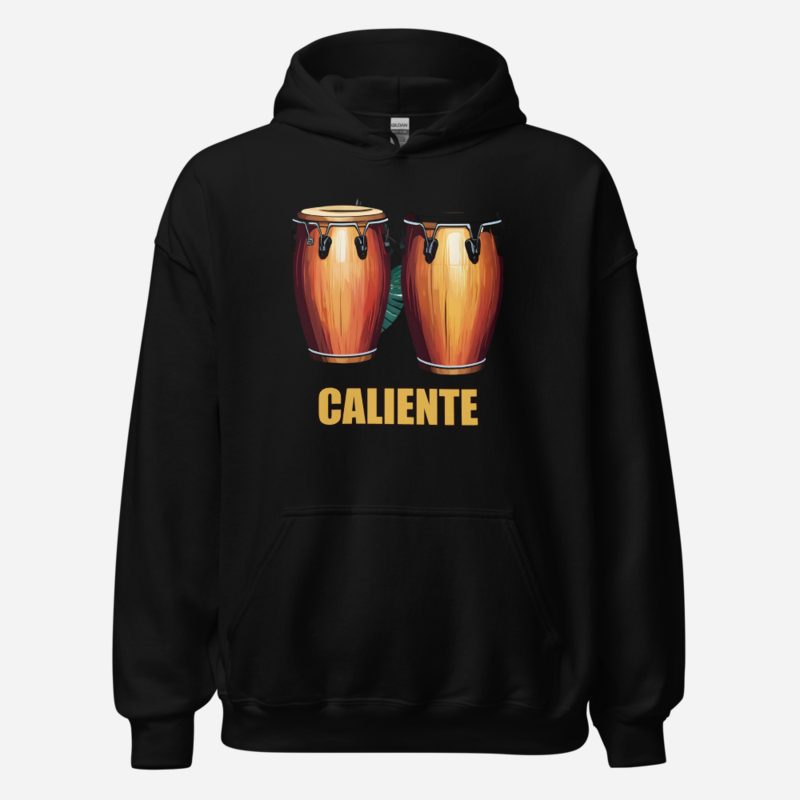
The Salsa Tranquila collection
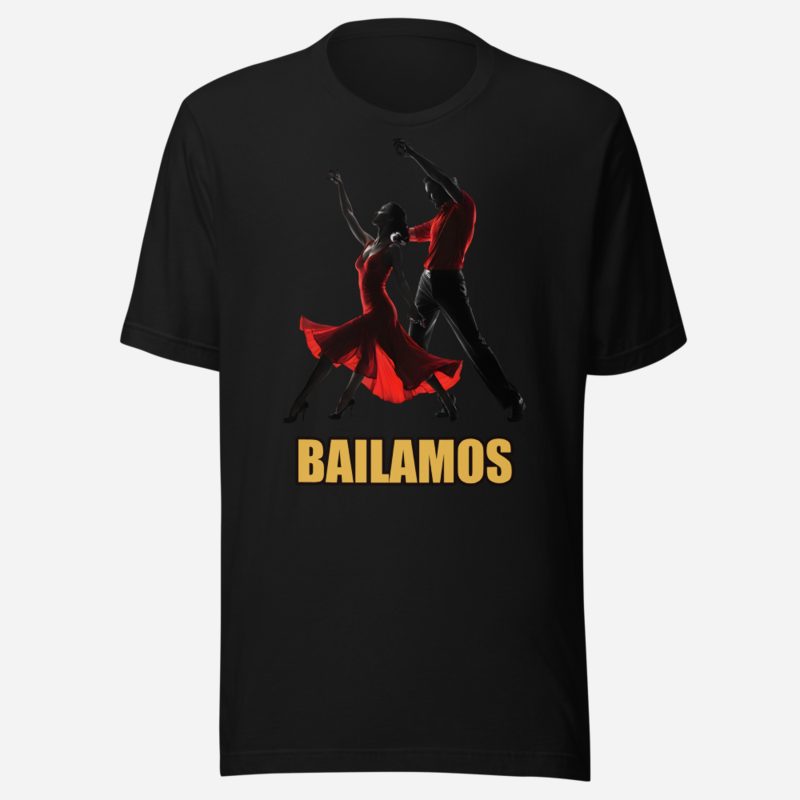
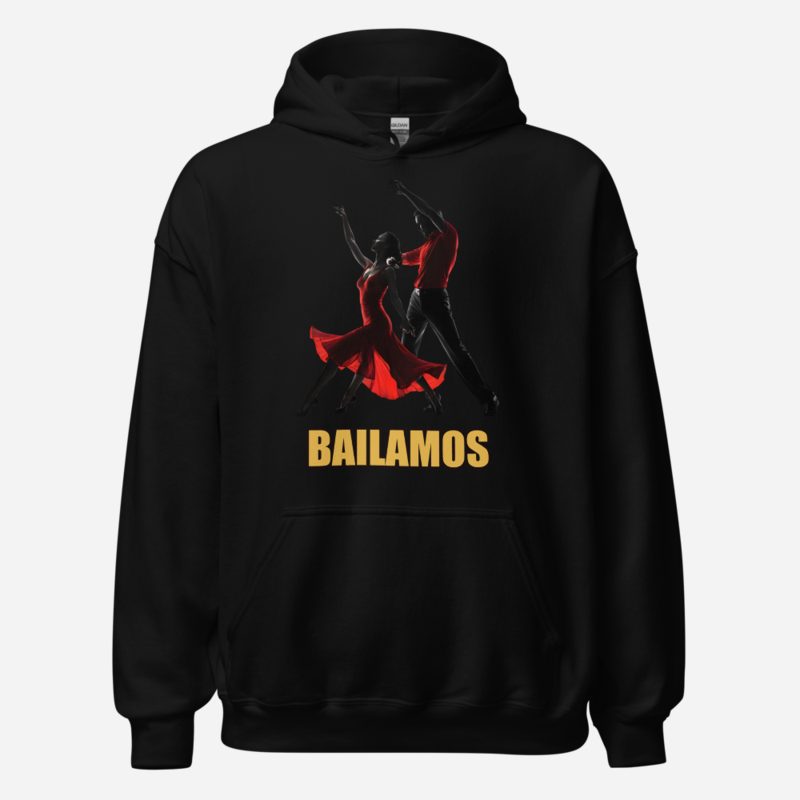
Tees and hoodies in the Salsa Tranquila colors, printed to order in the USA. Use code VIP15 from the newsletter for 15% off your first order.

Facts on this page were checked against these sources (updated Oct 13, 2026). Spot an error? Email hello@fireempireshop.com.