Hector Lavoe
El Cantante of salsa. From Ponce to the Bronx, Hector Lavoe sang the soul of 1970s New York salsa with Willie Colon and Fania, from Periodico de Ayer to El Cantante.
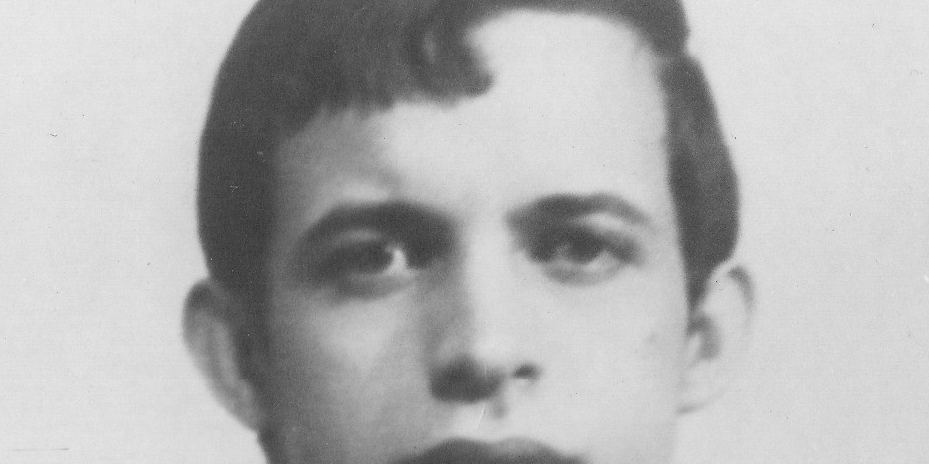
Hector Lavoe, 1969: Fania Records, Public domain
From Ponce to New York
Hector Juan Perez Martinez grew up in Ponce, Puerto Rico, in a musical family, and moved to New York at 17. He sang with several groups and soon took the stage name Lavoe. His voice was bright and nasal, with a natural Puerto Rican country phrasing, and his improvised lines were full of humour.
With Willie Colon
In 1967 he joined the young trombonist and bandleader Willie Colon, and their first album for Fania, El Malo, launched a hard-hitting sound with rough trombones and street attitude. Together they made a string of classic albums into the early 1970s, mixing salsa with Puerto Rican and Panamanian folk styles.
A solo star
When Colon stepped back from performing in 1974, Lavoe began his own orchestra, with Colon producing. Albums such as La Voz (1975) and De Ti Depende (1976) contain classics, including Periodico de Ayer, written by Tite Curet Alonso. In 1978 Ruben Blades wrote El Cantante for him, a song about a singer whose public joy hides private pain, and it became his anthem.
Fania All-Stars
Lavoe was also a key voice of the Fania All-Stars, the label's supergroup, which played huge concerts in New York, Puerto Rico and Africa in the 1970s. His improvised inspiraciones during the montuno were a highlight of every show.
Legacy
Lavoe died in 1993, and his music remains among the most played in salsa clubs. The 2006 film El Cantante starred Marc Anthony as Lavoe. A statue stands near the waterfront in Ponce. Read our Fania page for the label behind his rise.
Dance to Lavoe
His songs are classics for social dancing, with strong clave and clear breaks. Listen for the coro and Lavoe's answering lines in the montuno, a great moment to add shines.
Songs to start with
Start with El Cantante and Periodico de Ayer, then Mi Gente, Todo Tiene Su Final and La Murga from the Willie Colon years. Each shows a different side of his voice: playful, heartbroken, proud and fiery. Listen especially to the montunos, where his improvised lines tease the band, the audience and himself.
His phrasing came from the jibaro music of rural Puerto Rico, the folk songs of the island's countryside, and that flavour made him sound like home to millions of Puerto Ricans living in New York. Many singers still copy his little vocal turns and spoken asides.
- Hector Lavoe, 1969: Fania Records, Public domain
Text written by Salsa Tranquila.