Tito Puente
The timbalero who led the mambo. Tito Puente brought the timbales to the front of the stage, ruled the Palladium mambo era and wrote Oye Como Va. His career and his sound.
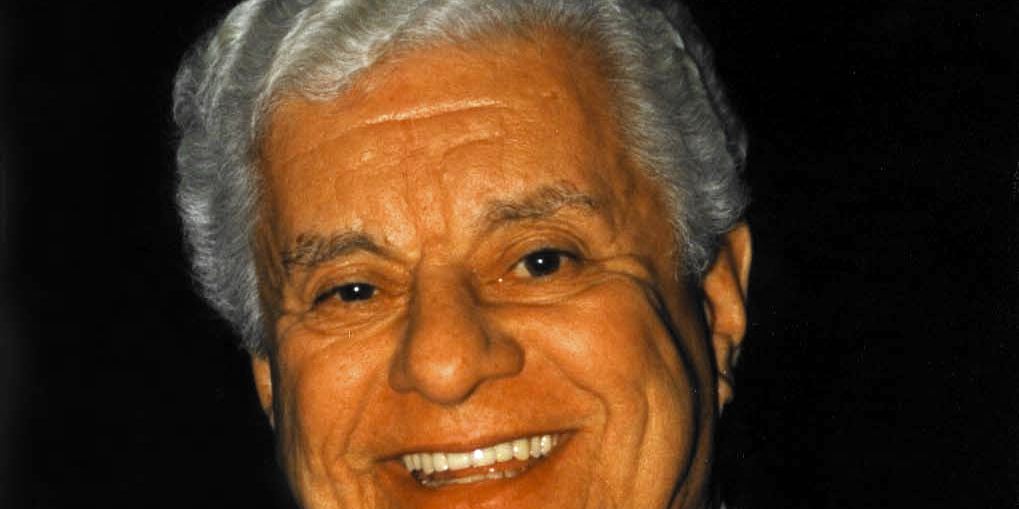
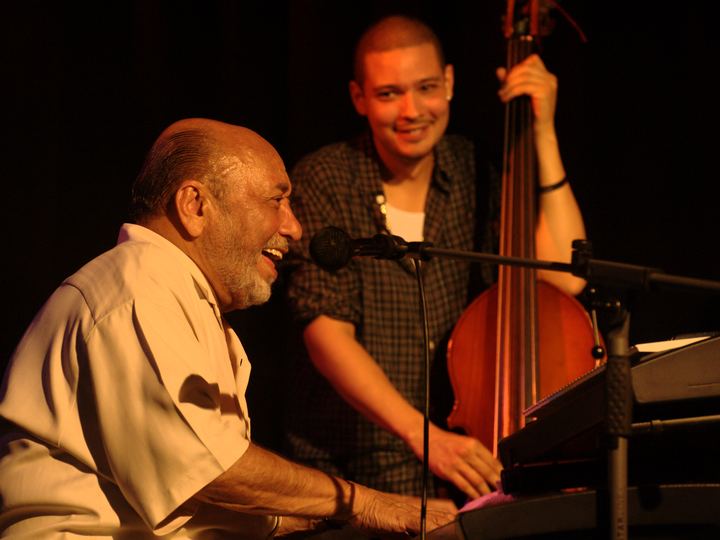
Tito Puente: Kingkongphoto & www.celebrity-photos.com from Laurel Maryland, USA, CC BY-SA 2.0
A Harlem kid with rhythm
Ernest Anthony Puente Jr. was born in New York to Puerto Rican parents and grew up in East Harlem, known as Spanish Harlem. He studied piano and percussion as a boy, danced in neighbourhood shows and was playing in Latin bands as a teenager. Later he studied music formally at the Juilliard School, learning orchestration that helped him write for big bands.
Timbales at the front
Before Puente, timbaleros usually sat at the back of the band. Puente stood at the front, playing two shallow metal drums, cowbells and cymbals with dramatic flair, and made the timbales a star instrument. His energy and showmanship made him a natural bandleader.
The Palladium years
In the 1950s Puente's orchestra was one of the big three of New York's Palladium Ballroom, along with Machito and Tito Rodriguez. Dancers came from all over the city to dance mambo and cha-cha-cha to his arrangements. His album Dance Mania (1958) became one of the most famous Latin dance records ever made.
Oye Como Va
Puente recorded Oye Como Va in 1963, a cha-cha-cha built on a hypnotic piano and bass groove. In 1970 the rock band Santana recorded a version that became a worldwide hit, and Puente happily said it brought new audiences to his music. Read our Oye Como Va page for the song's full story.
A lasting legacy
Puente recorded more than a hundred albums, won several Grammy Awards and received a Lifetime Achievement Grammy after his death in 2000. A stretch of East 110th Street in Manhattan is named Tito Puente Way. For his instrument, read our timbales page.
Dance to Puente
For dancers, Puente's mambos are perfect for practising on2 timing, because the bass and percussion are so clear. Start with medium-tempo tracks and listen for the cowbell to find the beat.
Songs to start with
Begin with Oye Como Va for its famous groove, then Ran Kan Kan and Para Los Rumberos for pure mambo energy. Dance Mania is the album to hear from start to finish; it captures the excitement of the Palladium years, with tight horn arrangements and sizzling percussion. For a quieter side, his vibraphone recordings show how much of a jazz musician he was.
Puente also loved to teach. He played countless school and community concerts, and he set up a scholarship fund to help young Latin musicians study, part of the reason so many percussionists still call him their inspiration.
- Tito Puente: Kingkongphoto & www.celebrity-photos.com from Laurel Maryland, USA, CC BY-SA 2.0
Text written by Salsa Tranquila.