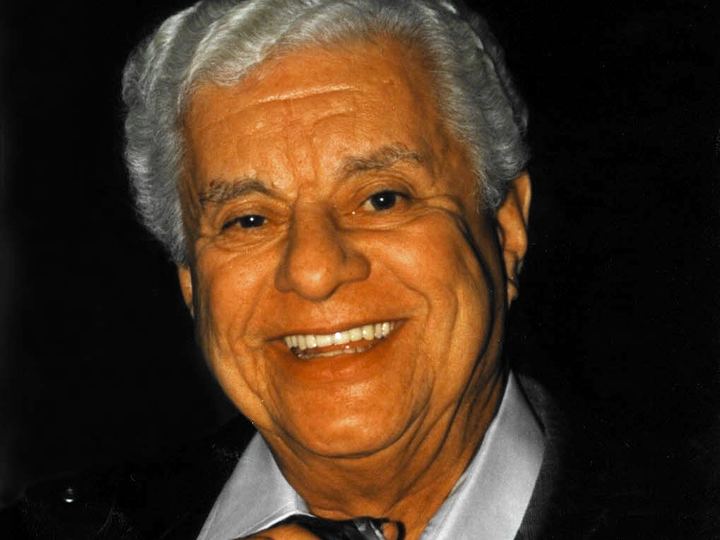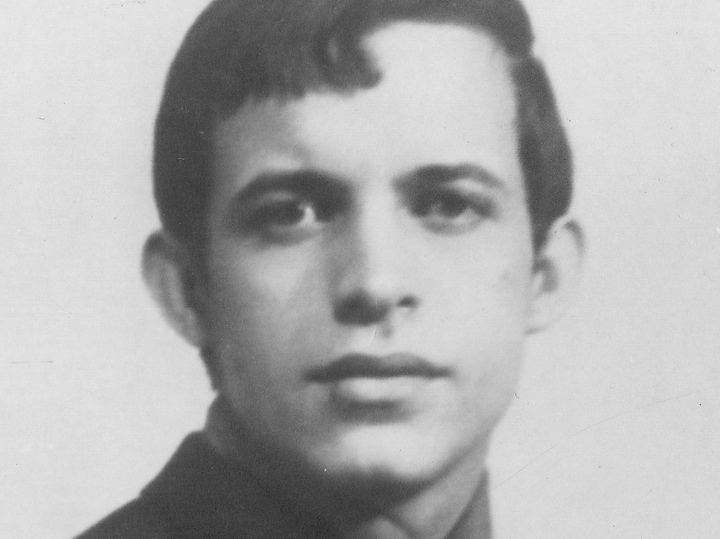
Eddie Palmieri
The piano rebel of salsa and Latin jazz. Eddie Palmieri led La Perfecta, swapped trumpets for trombones and won the first Grammy for a Latin recording. A pianist who changed salsa.
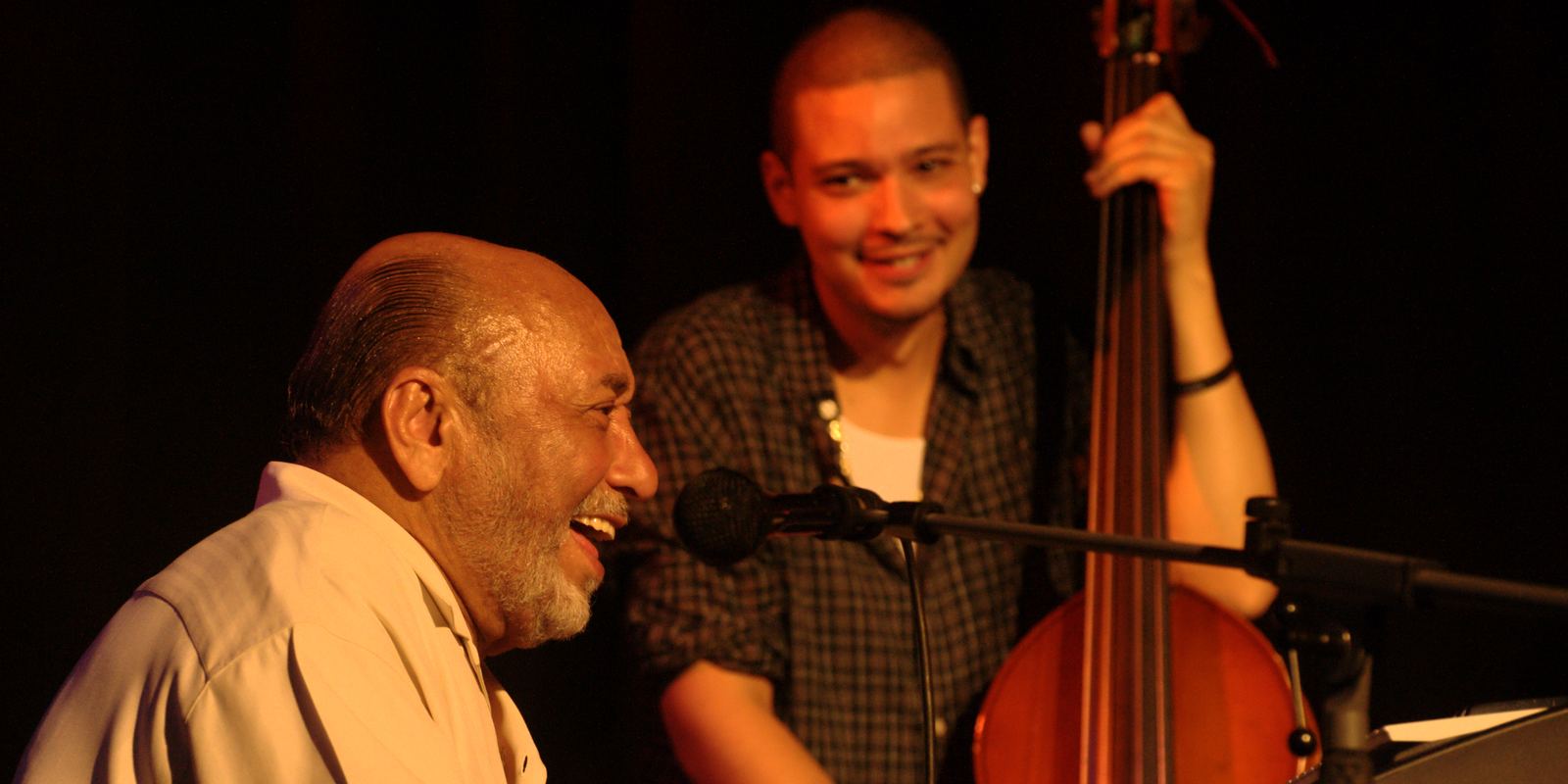
Eddie Palmieri in concert: Jens Vajen, CC BY-SA 4.0
A Bronx childhood
Eddie Palmieri was born in Manhattan to Puerto Rican parents and grew up in the South Bronx. His older brother Charlie was also a famous pianist and bandleader, and the two played in talent contests as boys. Eddie first studied classical piano and briefly played timbales before choosing the keyboard for life.
La Perfecta
In 1961 Palmieri founded La Perfecta. Instead of the usual trumpets, he used trombones, giving a darker, rougher brass sound that critics nicknamed trombanga. Dancers loved the band's heavy swing, and the sound influenced Willie Colon and many New York bands that followed.
Experiments
Palmieri was never satisfied with one style. He mixed salsa with jazz, soul and funk in his band Harlem River Drive (1970) and recorded long, adventurous piano solos. His piano montunos, repeated patterns locked to the clave, were percussive and daring.
Grammy history
His album The Sun of Latin Music won the first Grammy Award for Best Latin Recording at the 1976 ceremony, a milestone for the genre. He won many more Grammys over his career and was named a National Endowment for the Arts Jazz Master in 2013.
Legacy
Palmieri played and recorded into his eighties and died in August 2025. Pianists study his montunos, and dancers still pack the floor for his tracks. Read our salsa band page to hear how the piano fits into the whole sound.
Listening tip
Listen for how Palmieri's left and right hands work like two percussion instruments, and how the trombones answer the coro. His long tracks are great for practising stamina on the dance floor.
Albums to start with
Try the early La Perfecta albums for the classic trombanga sound, then The Sun of Latin Music for the Grammy-winning record. Vamonos Pa'l Monte and Superimposition show his adventurous side, mixing long piano solos with dance grooves. His later Latin jazz albums are great listening for musicians.
Palmieri was famous for bringing social themes and spiritual energy into his music without losing the dance floor. He often described his job as making people move, and bandmates said rehearsals could run for hours until the groove felt exactly right.
Many of today's leading Latin pianists, from New York to San Juan, learned by transcribing his montunos note by note.
- Eddie Palmieri in concert: Jens Vajen, CC BY-SA 4.0
Text written by Salsa Tranquila.