Salsa Congresses and Festivals
Weekends of workshops, shows and social dancing. What happens at a salsa congress, from daytime workshops and nightly shows to socials until dawn, plus tips for your first one.
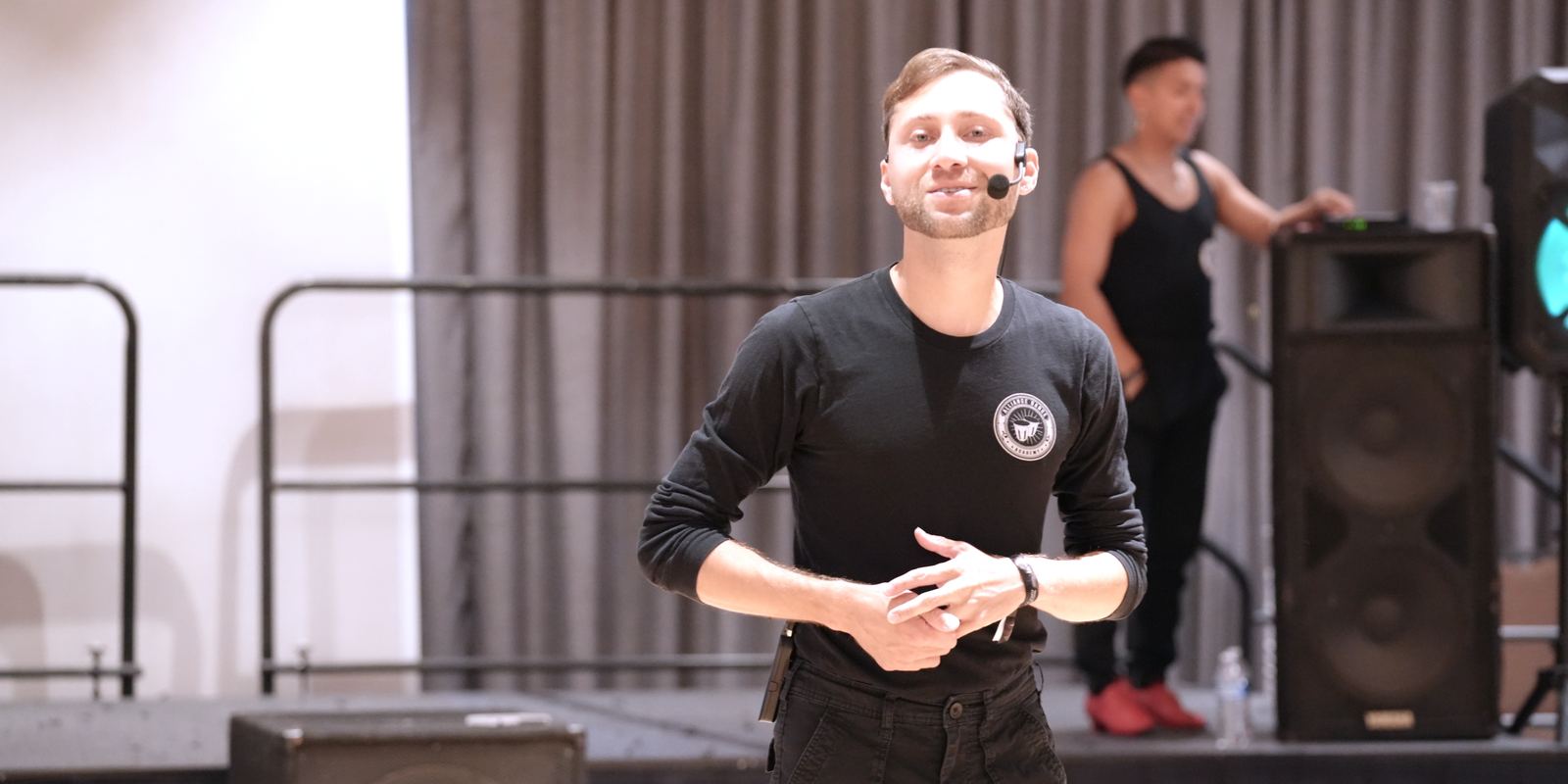
A couple performing at a dance festival: Rosiestep, CC BY-SA 4.0
What is a congress?
A salsa congress is a festival for dancers. Over a weekend, top instructors teach workshops, professional teams perform shows, and social dancing continues long into the night. The Puerto Rico Salsa Congress, launched in the late 1990s, is often credited as the event that started the trend.
Workshops
Workshops are grouped by level and style, from on1 and on2 to Cuban, bachata and kizomba. Classes usually last about an hour and focus on patterns, footwork, styling or musicality. Choose a few that match your level instead of trying to attend everything.
Shows
Evening shows feature professional dancers and teams with complex lifts and choreography. Watching them is inspiring and a great way to discover instructors you might want to learn from.
Social dancing
The heart of a congress is the social dancing after the shows. Rooms often run separate music for salsa, bachata and kizomba. Ask politely, thank your partner after each dance and take breaks to drink water.
Tips for your first congress
Bring spare shoes and shirts, stay hydrated, and rest between workshops. Take notes or videos at the end of classes when instructors allow it. Most of all, dance with as many people as possible. See our where to dance page for local options before you travel.
Planning your trip
Most congresses sell full passes that include workshops and evening parties, and cheaper party-only passes. Hotels near the venue fill fast, so book early. Many events offer bootcamps or intensives the day before the main event for dancers who want extra training.
Pack for long days: at least two pairs of dance shoes, light clothes that dry quickly, deodorant, mints and a small towel. Eat proper meals between classes and do not try every workshop; rest is part of learning.
Congresses are also a chance to meet dancers from other cities and countries. Many people make lifelong friends and return every year. Take photos with your teachers, but always ask first, and support performers by cheering during the shows.
If you compete or perform, arrive early for rehearsals and check the stage size, lighting and music cues with the organisers. Even social dancers often find that watching competitions improves their own understanding of musicality and partnering.
- A couple performing at a dance festival: Rosiestep, CC BY-SA 4.0
Text written by Salsa Tranquila.