Celia Cruz
The Queen of Salsa. Celia Cruz rose from Havana to world fame, recorded with La Sonora Matancera and Fania, and made one shouted word, Azúcar, a salsa battle cry.
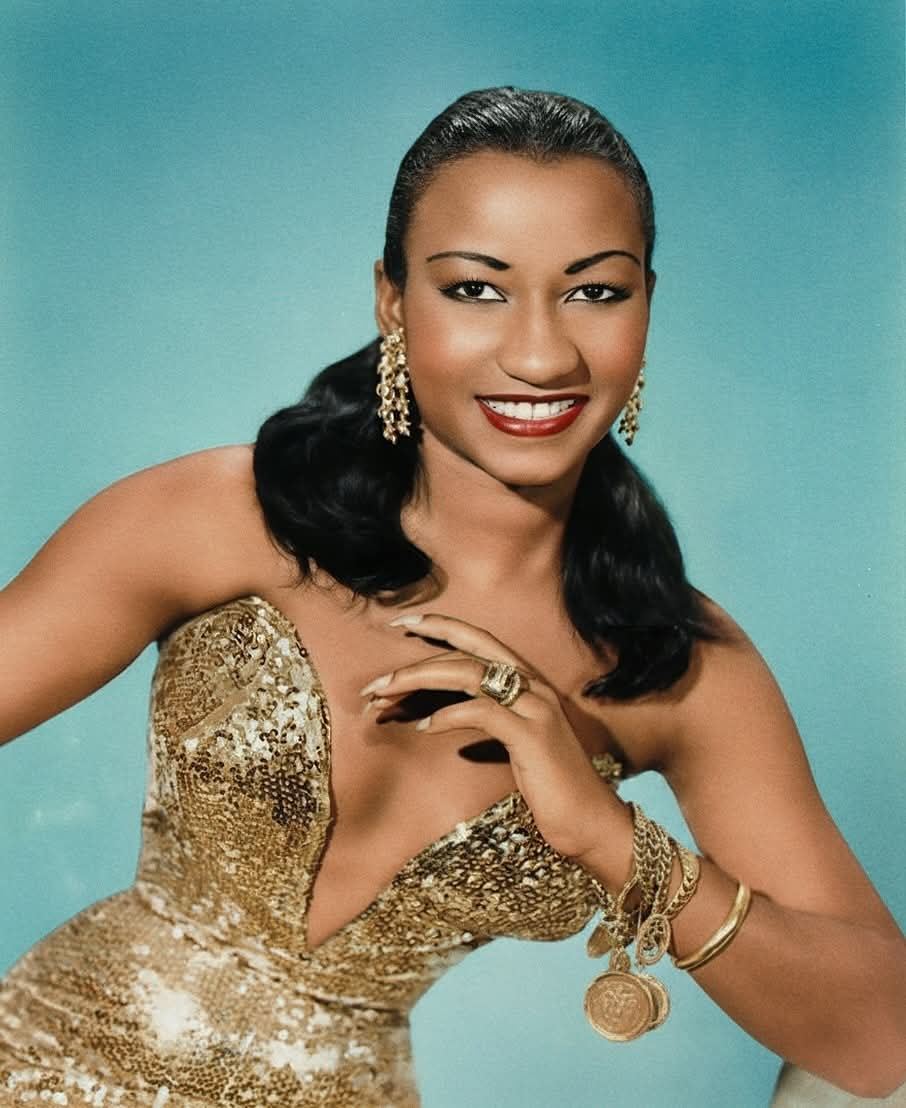
Celia Cruz in 1957: Ibrahim Arce (Narcy Studios photographer), most likely, Public domain
A voice from Havana
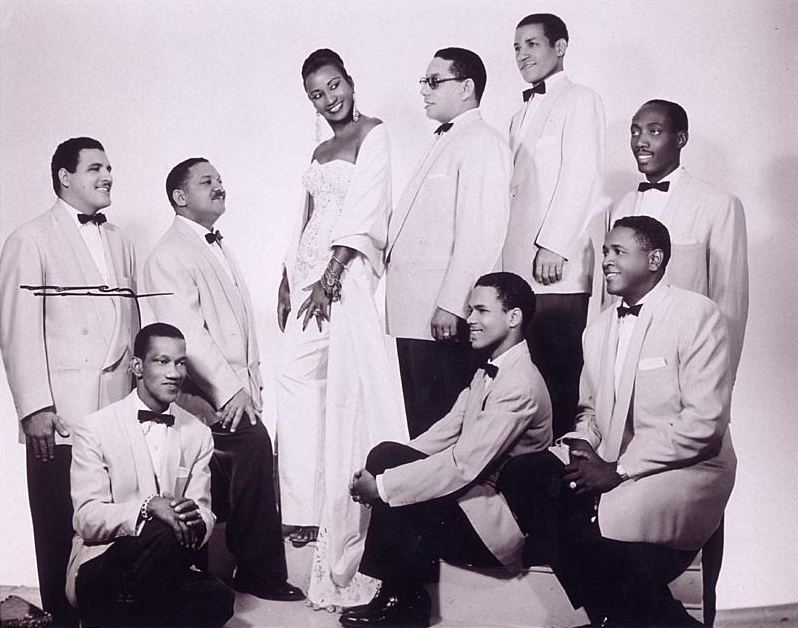
Celia Cruz was born in Havana in 1925 and grew up singing for relatives and neighbors. She studied at the city's music conservatory and won radio talent contests, and in 1950 she became lead singer of La Sonora Matancera, one of Cuba's most popular bands. Her powerful, flexible voice and fearless improvising made her a star across Latin America.
In 1960 she left Cuba while on tour and never returned. She married the band's trumpeter, Pedro Knight, in 1962, and he stayed at her side for the rest of her career.
Video: Celia Cruz - La Vida Es Un Carnaval (Audio) (CeliaCruzVEVO), embedded from YouTube.
Why the Queen of Salsa always shouted Azucar
Celia Cruz (born Havana, 1925), the Queen of Salsa, sang with La Sonora Matancera before her US career. Her trademark cry 'Azucar!' came from a waiter in Miami asking if she wanted sugar in her coffee.
YouTube @SalsaTranquila (launching soon). Photos in this Short: Celia Cruz 1.jpg - Lionel Decoster (CC BY-SA 3.0) via Wikimedia Commons | Celia Cruz 1957 color.jpg - Ibrahim Arce (Narcy Studios photographer), most likely (Public domain) via Wikimedia Commons | Celia Cruz y La Sonora Matancera.jpg - Ibrahim Arce (Narcy Studios photographer), most likely (Public domain) via Wikimedia Commons | 2024 Celia Cruz Womens Quarter.jpg - Phebe Hemphill (Public domain) via Wikimedia Commons | Calle Ocho, Little Havana, Miami, Florida 2021 - Tiles.jpg - Sharon Hahn Darl
Queen of the Fania era
In the 1970s Celia joined the New York salsa boom. Her 1974 album Celia & Johnny with Johnny Pacheco produced the hit Quimbara, and she toured the world as the leading female voice of the Fania All-Stars. She was nearly fifty and still the most electrifying voice on the stage.
Her career lasted half a century, with dozens of albums, Grammy and Latin Grammy awards, and a National Medal of Arts in 1994.
With La Sonora Matancera she recorded hundreds of songs and toured widely, and the group's polished arrangements gave her a perfect showcase. She also appeared in films and on television, and her name became a guarantee of a packed theater from Caracas to Mexico City.
The story of Azúcar
Celia's trademark shout, ¡Azúcar!, means sugar. She liked to tell how a waiter in Miami once asked whether she wanted sugar in her Cuban coffee, as if anyone would drink it without. She began repeating the joke on stage, and soon a single word could set an arena screaming.
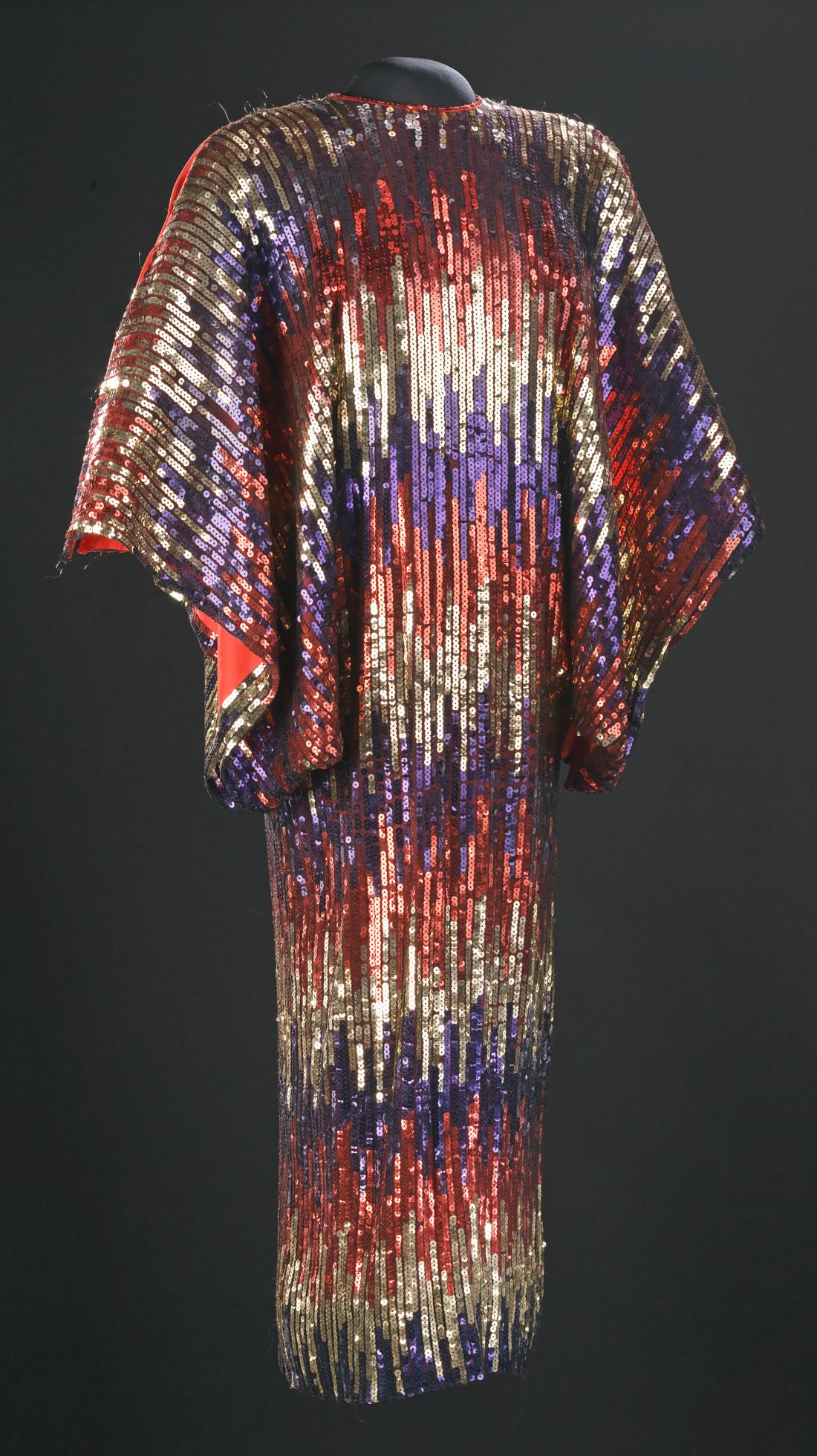
The cry also nodded to Cuba's sugar cane history, and it became her musical signature, as recognizable as her towering wigs and glittering gowns.
Legacy
In 1998 Celia released La Vida Es Un Carnaval, an upbeat song about joy in hard times that became a modern standard. She died in 2003, and huge crowds mourned her in Miami and New York. In 2024 she appeared on a United States quarter, and her dresses and recordings now live in national museum collections.
For dancers, her catalog is a gift: steady tempos, strong clave and a voice that tells you exactly when to accent. Put on Quimbara or La Vida Es Un Carnaval and you will see why no salsa party feels complete without her.
- Wikipedia: Celia Cruz
- U.S. Mint: Shipping 2024 American Women Quarters Honoring Celia Cruz
- National Women's History Museum: Celia Cruz
- Smithsonian Magazine: The Enduring Legacy of Celia Cruz
Facts on this page were checked against these sources.
- Celia Cruz in 1957: Ibrahim Arce (Narcy Studios photographer), most likely, Public domain
- Celia Cruz with La Sonora Matancera: Ibrahim Arce (Narcy Studios photographer), most likely, Public domain
- A Celia Cruz stage dress: Smithsonian National Museum of African American History and Culture, CC0
- Short photos: Celia Cruz 1.jpg - Lionel Decoster (CC BY-SA 3.0) via Wikimedia Commons | Celia Cruz 1957 color.jpg - Ibrahim Arce (Narcy Studios photographer), most likely (Public domain) via Wikimedia Commons | Celia Cruz y La Sonora Matancera.jpg - Ibrahim Arce (Narcy Studios photographer), most likely (Public domain) via Wikimedia Commons | 2024 Celia Cruz Womens Quarter.jpg - Phebe Hemphill (Public domain) via Wikimedia Commons | Calle Ocho, Little Havana, Miami, Florida 2021 - Tiles.jpg - Sharon Hahn Darlin (CC BY 2.0) via Wikimedia Commons | Cuban coffee- 2013-04-05 14-30.jpg - User:Colinkb7 (CC BY-SA 3.0) via Wikimedia Commons | Cafecito Cuban Espresso.jpg - Mangocity (CC BY-SA 4.0) via Wikimedia Commons | Dios Disfrute a la Reina - Visiting Celia Cruz Mausoleum 2011.jpg - Paul Lowry (CC BY 2.0) via Wikimedia Commons
Text written by Salsa Tranquila.