Leading and Following
The partnership behind every great dance. How lead and follow works in salsa: frame, connection, preparations and signals, plus tips for both roles to dance safely and comfortably.
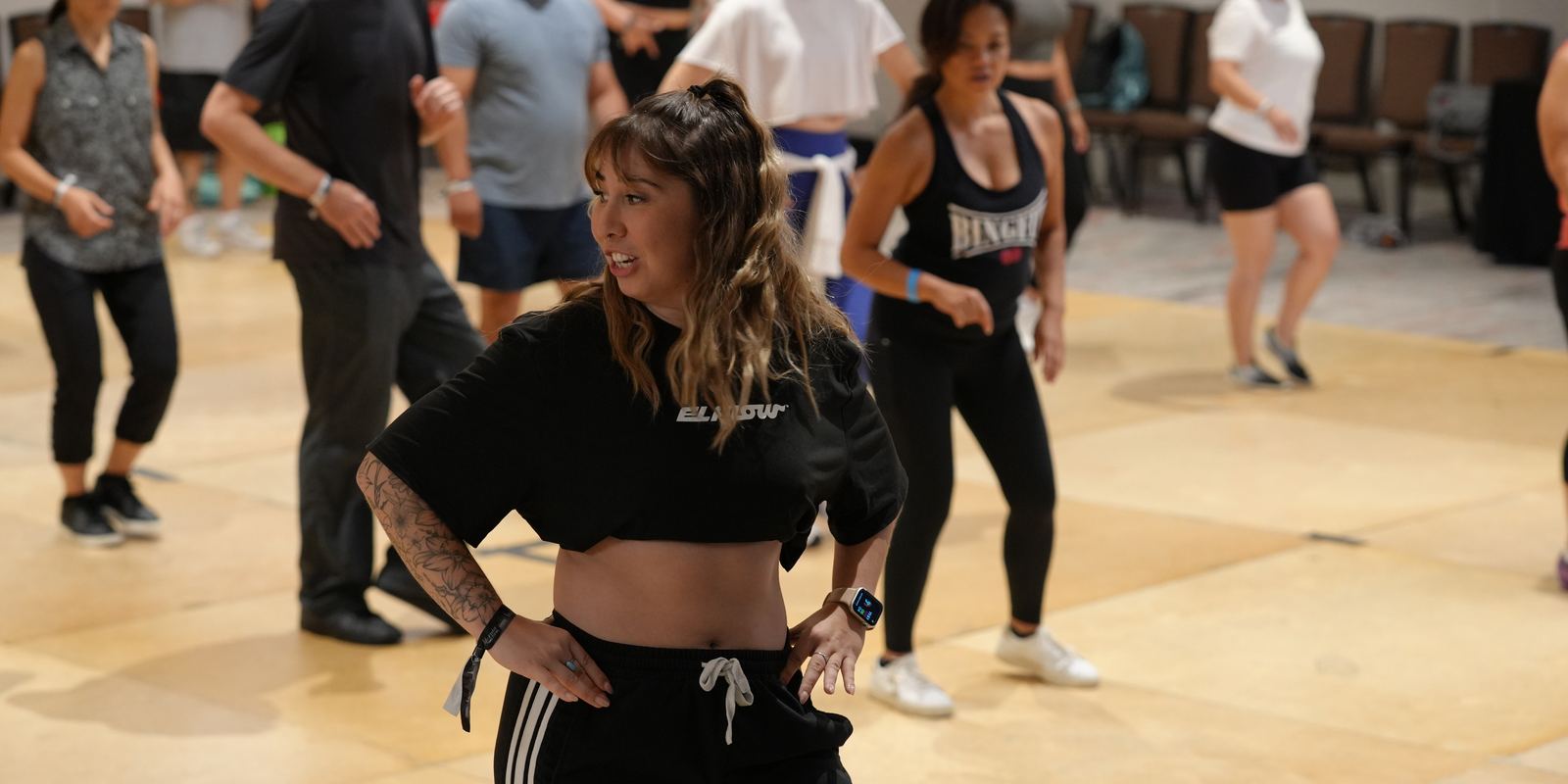
Dancing at the California Dance Festival: Rosiestep, CC BY-SA 4.0
Two roles, one dance
In salsa one partner usually leads and the other follows. The leader chooses patterns and signals them through the hands and body; the follower interprets and adds styling. Anyone can learn either role, and many dancers learn both.
Frame
A good frame means toned arms, shoulders down and elbows slightly in front of the body. It lets signals travel without force. Too floppy and the lead is lost; too stiff and the dance feels like a struggle.
Connection
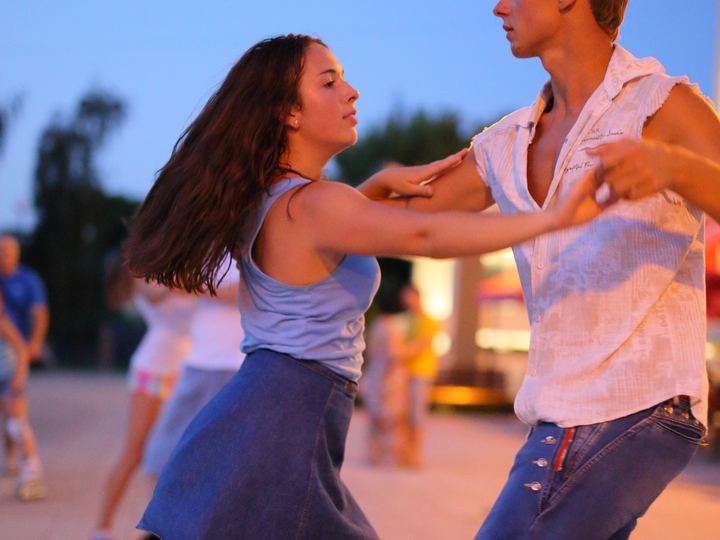
Connection comes through the hands and sometimes the back. Light tension and compression tell the follower where to go. Leaders should never grip; followers should keep a gentle response rather than anticipating.
Preparation
Most moves start with a small preparation, a shift in the hand or body that tells the follower a turn or change is coming. Clear preps make dancing safer and more fun.
Etiquette
Ask politely, adjust to your partner's level, avoid dangerous moves on crowded floors and say thank you. These habits make you a popular partner at any social. See our right and left turns page to practise the first moves.
Practice drills
Leaders can practise preparations by doing slow right turns, focusing on a clear, small signal one count before the turn. Followers can practise waiting for the lead by dancing with eyes closed, slowly, with a trusted partner. Both roles can practise frame by walking forward and back together while keeping an even, light connection.
Communication is also about the music. Leaders should choose patterns that fit the phrase and the partner's level; followers can add styling during simple patterns. Smiles and eye contact make a big difference, and a little humour helps when something goes wrong.
Learning the other role, even a little, makes you better at your own. Many teachers encourage dancers to switch roles in class from time to time, and some social dancers now enjoy both.
Step by step
- Frame check: Stand facing your partner, hold hands at waist height, elbows slightly bent; both press gently forward until you feel a light, even connection.
- Prep for a turn: Leader lifts the hand slightly on count 5 before raising it on 6; follower feels the signal and starts the turn.
- Dancing at the California Dance Festival: Rosiestep, CC BY-SA 4.0
Text written by Salsa Tranquila.