How a Salsa Band Works
Piano, bass, horns, coro and sonero. What each musician in a salsa band does, from the piano montuno and anticipated bass to horns and coro, and how song sections guide dancers.
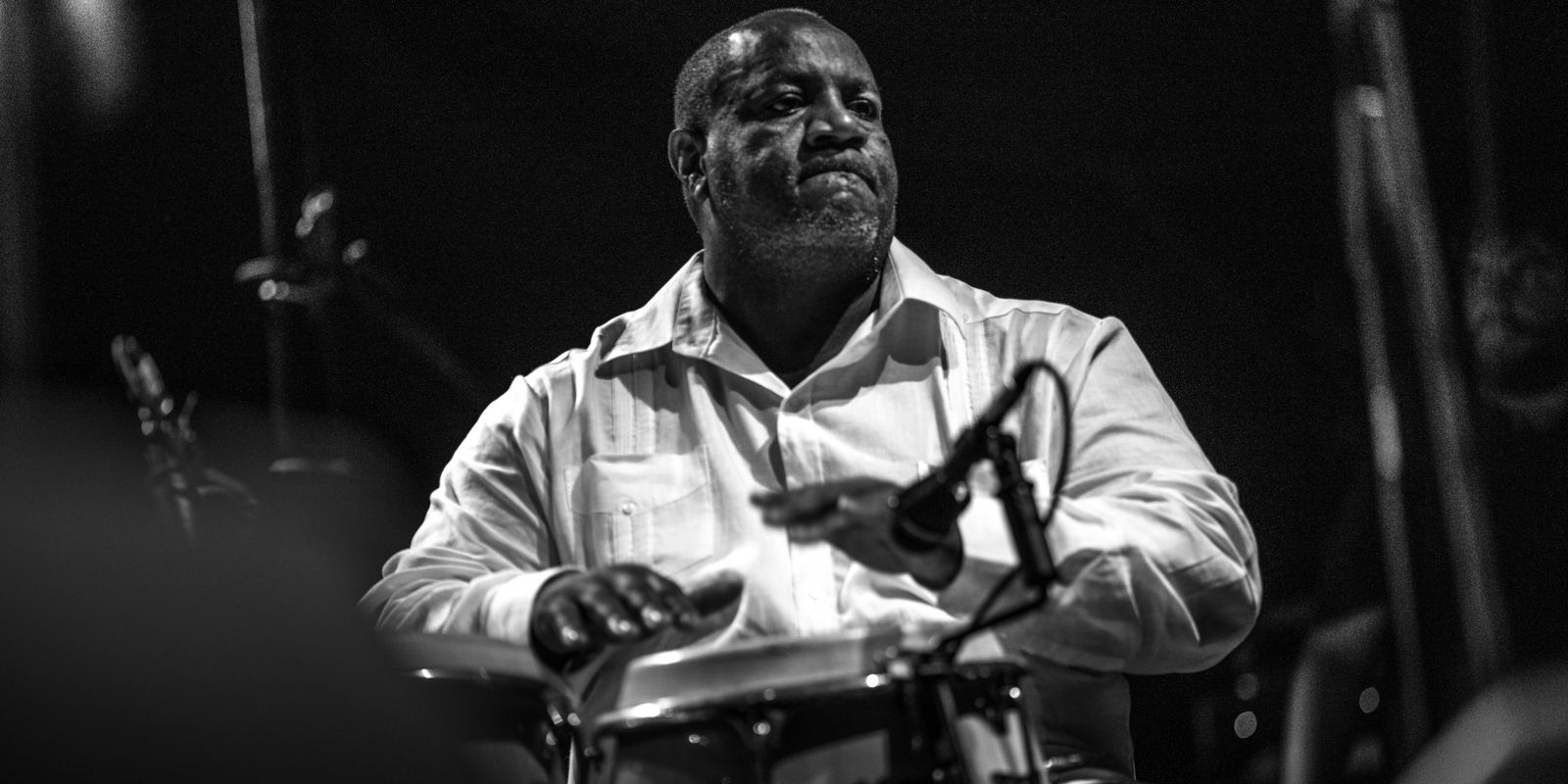
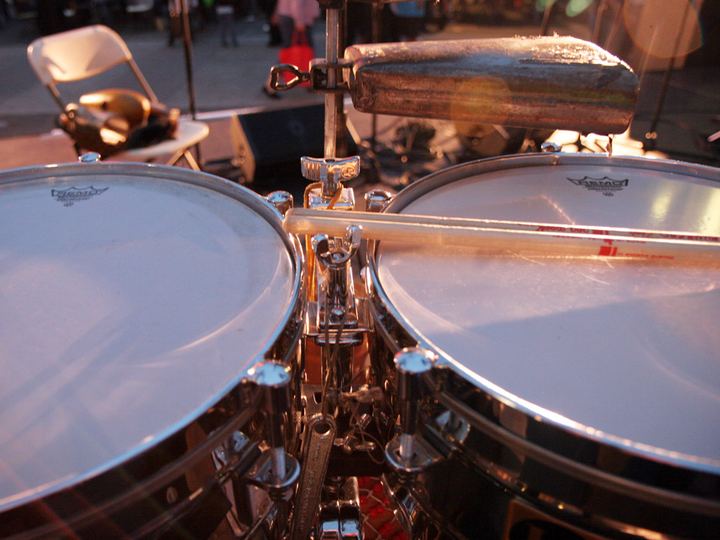
Percussion on stage, Punta del Este: Jimmy Baikovicius from Montevideo, Uruguay, CC BY-SA 2.0
The rhythm section
The piano plays a montuno, a repeating pattern that locks to the clave. The bass plays a tumbao that often anticipates the beat, landing before the chord changes, which gives salsa its floating feel. Congas, bongos and timbales add layers on top. Each part is simple on its own but together they create a rich, rolling groove.
Horns
Trumpets and trombones play arranged lines called moñas and mambos, often answering each other. Some bands, like Eddie Palmieri's La Perfecta and Willie Colon's groups, used only trombones for a darker sound.
Sonero and coro
The lead singer, or sonero, sings the verses and then improvises lines in the montuno, while the coro repeats a short refrain. This call and response comes from Cuban son and Afro-Cuban traditions and is the heart of a salsa performance.
Song structure
Most salsa songs start with an introduction, then verses that tell the story. The montuno follows, with coro and sonero trading lines, and the band may break into a mambo section with horns. Many songs end with a final coro and a sharp ending called the cierre. Recognising these sections helps dancers time their moves.
Clave direction
Every part of the band follows the clave, a two-bar pattern played as 3-2 or 2-3. Arrangers choose the direction to fit the melody. Read our clave rhythm page to learn how to clap it.
Listening exercise
Choose one song and listen five times, following a different instrument each time: piano, bass, conga, timbales and horns. You will start to hear the conversation between them, and your dancing will become more musical.
Famous arrangers
Arrangers write the horn parts and plan the structure. Names to know include Louie Ramirez, Larry Harlow, Johnny Pacheco and Willie Colon in the Fania years, Sergio George in the 1990s and Jairo Varela for Grupo Niche. Their arrangements decide where the breaks fall and how exciting the mambo sections feel.
Many salsa bands have ten to fifteen musicians: piano, bass, three percussionists, two to four horns, a lead singer and two or three coro singers. Smaller conjunto groups use trumpets only and a tres or second guitar, closer to the Cuban son tradition.
When you see a live band, watch the leader's hand signals: musicians cue endings, breaks and repeats with quick gestures, a little like a conductor.
- Percussion on stage, Punta del Este: Jimmy Baikovicius from Montevideo, Uruguay, CC BY-SA 2.0
Text written by Salsa Tranquila.