The Mambo Era and the Palladium
Perez Prado, Machito and New York's ballroom. How mambo grew from Cuban danzon, exploded with Perez Prado and filled New York's Palladium Ballroom in the 1950s, paving the way for salsa.
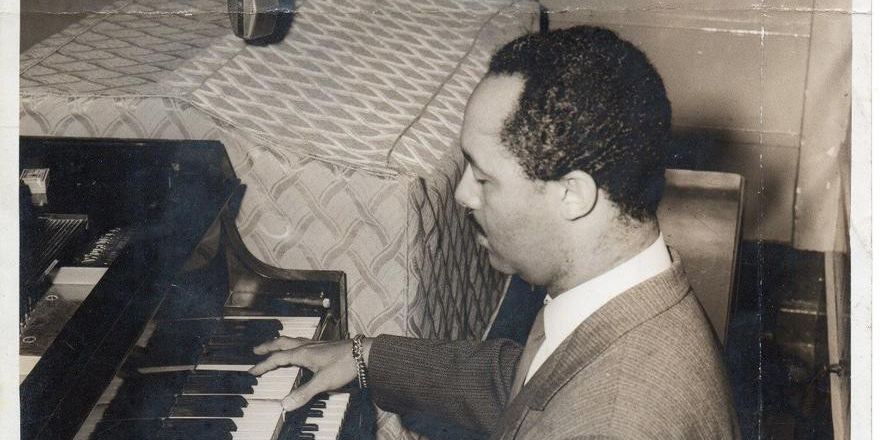
Perez Prado, 1954: Unknown author, Public domain
Cuban roots
In Cuba in the late 1930s, musicians began adding a faster, syncopated final section to the elegant danzon. Brothers Orestes and Israel Lopez, known as Cachao, wrote a danzon called Mambo, and the tres player Arsenio Rodriguez developed hard-driving son grooves. These ideas created the rhythmic base for the mambo.
Perez Prado
Cuban pianist Damaso Perez Prado moved to Mexico City and in the late 1940s created a brassy, exciting big band mambo with screaming trumpets and saxophone riffs. Songs such as Mambo No. 5 and Que Rico el Mambo spread across Latin America, and in 1955 his Cherry Pink and Apple Blossom White topped the US charts. He was called the King of Mambo.
The Palladium
In New York the Palladium Ballroom became the Home of the Mambo in the 1950s. The big three bands, Machito and his Afro-Cubans, Tito Puente and Tito Rodriguez, played there, and dancers of every background came to compete and show off. Mambo dancers developed acrobatic moves, spins and footwork that later fed into New York style salsa.
The dancers
The Palladium's Wednesday nights were famous for exhibitions and dance contests. Dancers such as Cuban Pete and Millie Donay became legends, and teachers brought mambo to dance studios across America. The cha-cha-cha also arrived in the 1950s and became a ballroom favourite.
From mambo to salsa
The Palladium closed in 1966, but its musicians and dancers carried on. In the late 1960s and 1970s the new generation of New York musicians at Fania built on mambo to create what became known as salsa. Read our New York on2 page for the dance style that grew from the Palladium.
Listening tip
Mambo big bands are a great way to train your ear for horn sections and breaks. Compare a Perez Prado track with a Machito recording to hear the difference between Mexico City and New York mambo.
- Perez Prado, 1954: Unknown author, Public domain
Text written by Salsa Tranquila.